Watercolor Traditional Japanese Art: A Guide to Serene Design
There's a particular quality to traditional Japanese art that feels both timeless and deeply personal. It’s a blend of precision and spontaneity, of empty space and meaningful detail. When this aesthetic is translated through the soft, fluid medium of watercolor, the result is something truly special: a design asset that carries the weight of cultural heritage and the lightness of a gentle breeze. This isn't just a pretty picture; it's a versatile visual language for creators who value subtlety, balance, and a connection to nature.
Understanding the Visual Language
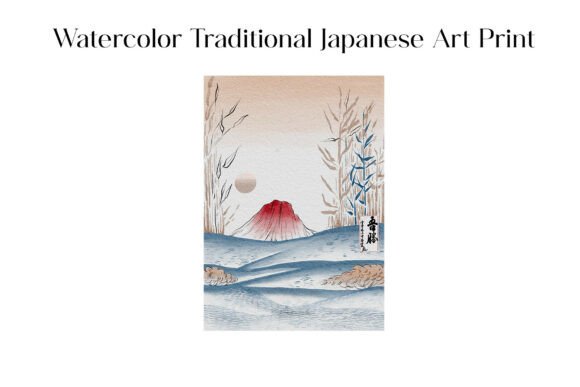
At its core, this style of artwork is defined by its restraint and intentionality. The soft brush strokes are not random; they follow a logic inspired by calligraphy and ink wash painting, where the pressure and speed of the brush convey energy and form. Delicate color washes—think muted indigos, soft cherry blossom pinks, earthy ochres, and misty greens—create a sense of atmosphere rather than bold statement. The composition is meticulously balanced, often employing asymmetry and generous negative space to create a calming, zen-like atmosphere. This minimalist approach allows the viewer's eye to rest, making the artwork feel expansive and thoughtful. It’s a design that whispers rather than shouts, inviting contemplation.
The personality of this artwork is one of refined elegance and quiet confidence. It doesn’t demand attention with flashy graphics or complex patterns. Instead, it earns appreciation through its harmony and subtlety. This makes it an incredibly powerful tool for specific applications. For a brand, it communicates authenticity, mindfulness, and a respect for craftsmanship. For a personal project, it adds a layer of sophistication and cultural depth. The appeal lies in its ability to evoke a mood—serene, contemplative, and beautifully understated—making it ideal for projects where you want to create a specific emotional resonance with your audience.
Where This Artwork Finds Its Home
The true strength of a design like this is its chameleon-like ability to adapt across a stunning range of projects. Its versatility is its greatest asset. In the realm of brand identity, it can elevate a logo, business card, or brand style guide for businesses in wellness, tea, ceramics, artisanal goods, or boutique hospitality. It tells a story of tradition and care before a single word is read. For editorial design and publishing, it serves as a magnificent chapter opener, a book cover, or a magazine feature spread, instantly setting a tone of sophistication and cultural depth.
Consider its power in packaging design. A skincare line using this artwork on its boxes and labels immediately conveys natural ingredients, purity, and a spa-like experience. In digital spaces, it translates beautifully into website hero images, social media graphics, and email newsletter headers, providing a visual oasis in a crowded online world. For print and craft, the applications are nearly endless. This is the perfect design for sublimation on mugs and textiles, for high-quality printable wall art, posters, and scrapbooking elements. It’s a design asset that serves the entrepreneur building a brand, the marketer crafting a campaign, and the hobbyist creating a beautiful journal page with equal effectiveness.
Making It Work: Practical Guidance for Creators
Integrating such a distinctive style into your work requires a thoughtful approach. First, evaluate the project's core message. Does it align with values of serenity, nature, tradition, or minimalist elegance? If the project calls for high-energy, disruptive, or ultra-modern aesthetics, this artwork might create a dissonant note. It excels where harmony and subtlety are the goals.
When it comes to font pairing, the rule of contrast and complement applies beautifully. Avoid pairing it with other highly decorative or script fonts, which would create visual competition. Instead, let the artwork be the star. Pair it with a clean, neutral sans serif font for body text to ensure maximum readability. For headings, a simple, elegant serif font can complement the artwork's refined nature without overwhelming it. The key is to let the watercolor art provide the personality while your typography provides clarity and structure.
Always test the artwork at the intended scale. A design that looks delicate on a business card might lose its impact on a large poster, and vice versa. Review the included file—a high-resolution 300 DPI PNG at 2480x3508 pixels is a professional-grade asset, perfect for both digital and print applications. Finally, for any commercial use, always verify the licensing terms. Understanding the permissions for commercial font or artwork usage is crucial for protecting your project and your business, ensuring you can use this beautiful resource with complete confidence.