Line Art of Two Stacked Books: A Designer's Guide to This Creative Asset
More Than Just a Coloring Page: Understanding the Core Design
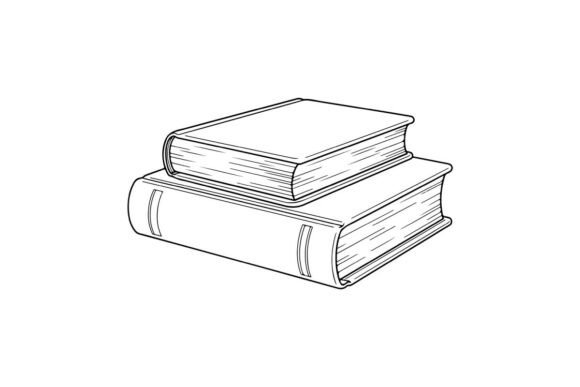
At first glance, the Line Art of Two Stacked Books is exactly what it promises: a beautifully rendered, clean illustration of two books, one resting atop the other. But for professionals in design, marketing, and content creation, its value extends far beyond a simple coloring activity. This asset is a masterclass in effective line art. The strokes are bold and confident, with a consistent weight that ensures clarity at any scale. There’s a deliberate balance in the composition—the slight angle of the top book, the subtle shadow lines suggesting depth, and the clean, open spaces on the book spines and covers. This isn’t cluttered sketch art; it’s a refined, graphic illustration designed for versatility.
The personality of this line art is approachable yet sophisticated. It carries a sense of calm, knowledge, and creativity, making it inherently suitable for a wide range of projects. Its style sits at the intersection of modern minimalism and classic illustration, avoiding trendy flourishes in favor of timeless appeal. This makes the Line Art of Two Stacked Books a reliable asset in your toolkit, one that won’t feel dated next season.
Strategic Applications: Where This Asset Truly Shines
Think of this file not as a finished product, but as a foundational design element. Its clean, scalable vector format (in SVG and EPS) makes it a powerful component for more complex projects. Here’s where it delivers real-world value:
- Brand Identity & Logo Design: For authors, publishers, educational startups, bookstores, or any brand centered on knowledge and learning, this illustration can be integrated into a logo or used as a standalone brand mark. Its simplicity ensures it remains recognizable when scaled down for a favicon or business card.
- Editorial & Publishing Design: Use it as a chapter opener, a section divider, or an illustrative element in a magazine, e-book, or annual report. It adds a touch of visual interest without overwhelming the typography.
- Packaging & Product Design: Imagine this line art on the cover of a notebook, a tote bag, or the packaging for a literary-themed subscription box. Its high-contrast nature ensures it prints crisply on various materials.
- Digital & Social Media Graphics: The PNG file is perfect for creating engaging social media posts, blog post headers, or website icons. Overlay it on a subtle texture or color-block background for a quick, professional graphic that communicates themes of reading, study, or creativity.
- Craft & Print-on-Demand: This is where the coloring book intent shines. Use it to create printable activity sheets, homeschool resources, or low-content book interiors. The clean lines guarantee a satisfying coloring experience for end-users, which reflects well on your product’s quality.
Evaluating Fit and Making It Work for Your Project
Before incorporating any asset, ask the right questions. Does the style align with your project’s tone? The Line Art of Two Stacked Books is versatile, but it has a specific, friendly character. It might not suit a gritty, industrial brand, but it’s perfect for educational, creative, or lifestyle contexts.
When testing font pairings, consider the asset’s inherent style. It pairs well with clean, modern sans-serif fonts for a contemporary look (think Montserrat or Open Sans). For a more classic or literary feel, pair it with a traditional serif font like Garamond or Baskerville. Avoid overly ornate script or handwritten fonts that could clash with its clean geometry. The key is to let the illustration complement your typography, not compete with it.
Always review the included files. The vector formats (SVG, EPS) are essential for any project where you might need to resize the illustration, change its color, or edit specific paths. The high-resolution PNG is your go-to for direct use in digital layouts or print projects where editing isn’t required. The PDF is a ready-made solution for immediate printing.
For commercial use, ensure the licensing aligns with your project’s scope—whether it’s for a single client project or a mass-produced product. The clean, print-optimized structure of these files means you’re starting with a professional-grade asset, saving you hours of cleanup work and ensuring the final output is polished and reliable.