The Apothecary Label Collection: Vintage Ephemera for Modern Makers
There's a particular kind of magic in a well-worn label, the kind you'd find tucked inside an antique book or clinging to a forgotten bottle in a dusty shop. It tells a story not just with its words, but with its texture, its typography, and the very patina of its paper. The Apothecary Label Collection captures this magic digitally, offering a set of 12 high-resolution PNG files that serve as foundational design assets for a wide range of creative work. This isn't just a collection of images; it's a curated aesthetic, a bridge between old-world charm and contemporary craft.
Deconstructing the Aesthetic: More Than Just a Label
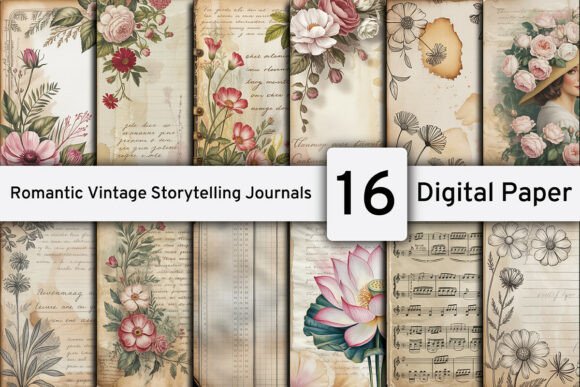
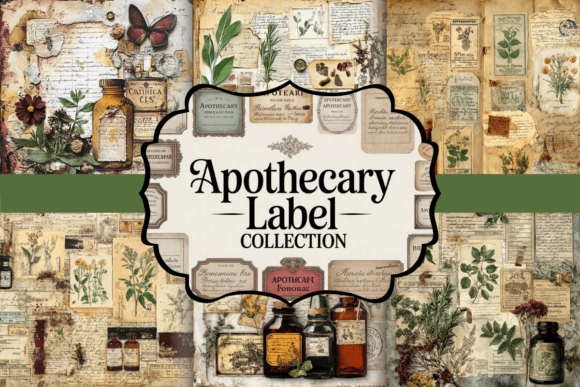
Each 12" x 12" (3600x3600 pixel) design in the collection is a self-contained world. The color palette—antique cream, sepia brown, sage green, muted gold—is deliberately subdued, evoking the faded elegance of aged paper and natural dyes. You'll find vintage herb labels with ornate serif typography that feels authoritative yet gentle. Botanical illustrations of roots, leaves, and flowers are rendered in a detailed, etched style, adding scientific credibility and visual interest. These elements are housed within ornate frames, often with subtle aged textures and distressed edges that simulate wear and tear, giving each piece an authentic, tactile quality even on a screen.
The personality of the Apothecary Label Collection is one of timeless charm and quiet mystery. It suggests knowledge, tradition, and a connection to nature. The style leans into cottagecore and dark academia aesthetics, but its appeal is broader. It's for anyone who values storytelling through visual detail, who understands that the background of a journal page or the design of a product tag can set the entire emotional tone of a project.
Practical Applications: Where This Collection Shines
The true value of a resource like the Apothecary Label Collection lies in its versatility. Its 300 DPI resolution and opaque backgrounds make it immediately useful for both digital and high-quality print projects. Here’s where it finds its strongest footing:
- Junk Journals & Scrapbooking: This is its native habitat. Use a full 12x12 sheet as a stunning background page for a botanical-themed junk journal. Cut out individual frames or labels to use as pockets, tags, or layered collage elements. The vintage textures provide instant depth.
- Packaging & Product Design: For small business owners, particularly in the wellness, tea, apothecary, or artisan goods space, these designs are gold. Incorporate them into packaging design for labels, boxes, or tissue paper. They instantly communicate a brand identity rooted in natural ingredients, craftsmanship, and heritage.
- Digital Content & Social Media: The files are perfect for creating cohesive social media graphics. Use them as backgrounds for Instagram stories, quote cards, or product announcements. They add a layer of sophisticated, thematic texture that stands out in a flat, digital feed.
- Printable Goods & Stationery: Designers can use the collection to create and sell printable planners, inserts, bookmarks, or art prints. The consistent aesthetic allows for the creation of a coordinated suite of products.
Design Strategy: Integrating Vintage Elements with Purpose
Introducing such a distinct vintage element into a project requires thoughtful application to avoid a disjointed or cluttered result. The key is to let the Apothecary Label Collection set the stage without overwhelming the main message.
Establishing Visual Hierarchy
When using a full sheet as a background, your primary text or focal image needs to be legible. The collection's opaque, textured backgrounds are ideal for this. Place your key content in a relatively clear area, perhaps using a semi-transparent overlay or a solid text box in a complementary color from the palette (like a muted cream or soft sage) to ensure contrast. The ornate details of the label should frame your content, not compete with it.
Font Pairing for Cohesion
This is crucial. Pairing the intricate, serif-heavy style of the apothecary labels with a modern, clean sans-serif font for body text creates a beautiful and functional contrast. The vintage element provides the character and theme, while the contemporary font ensures readability and a professional feel. Avoid pairing it with other overly decorative or script fonts, as this can quickly become visually noisy. Let the labels be the star typographic element.
Building a Consistent Brand Aesthetic
For entrepreneurs and creators, consistency is key to brand recognition. The Apothecary Label Collection offers a built-in style guide. Pull from its color palette for your website accents, use its botanical motifs in your logo design or as secondary graphics, and maintain the aged, textured feel across your editorial design and marketing materials. This creates a cohesive world that your audience can instantly recognize and connect with.
Making the Collection Work for You
Before diving in, consider a few practical points. First, evaluate the fit. This collection is a specific creative font and aesthetic choice—it's not a neutral background. It's perfect for projects aiming for a rustic, historical, natural, or whimsical tone. It would be less suitable for a sleek tech startup or a minimalist modern brand.
Second, think in terms of layering. Because the files are high-resolution PNGs, you can easily isolate elements in your design software. Extract a single botanical illustration to use as a recurring motif. Recolor a frame to match a different part of your palette. Use the distressed texture of the paper as an overlay on other surfaces to add age and interest. This flexibility extends the utility of the collection far beyond its 12 initial designs.
Finally, always be mindful of licensing. Ensure the collection is approved for your intended use, whether it's for personal craft projects or commercial products for sale. This simple check protects your work and supports the original artist.
The Apothecary Label Collection is more than a set of pretty papers. It's a tool for storytelling. It provides a shortcut to a rich, evocative aesthetic that can elevate a simple project into something with depth, history, and undeniable charm. By understanding its visual language and applying it with strategic intent, you can harness its old-world allure to create something genuinely compelling for a modern audience.